
The Discount Freeze Reality
You enrolled in a telematics program because your household drives under 8,000 miles per year and the carrier promised savings. Three months in, the app shows poor braking scores and late-night trips flagged as risky. Now you're staring at your renewal wondering if your premium jumped because of the app.
The structural reality most drivers miss: telematics programs almost never raise your base rate for bad driving. They freeze or reduce the discount you would have earned with good scores. Your premium stays at or near what you paid before enrolling, minus whatever discount your actual behavior qualified for. The confusion comes from how carriers frame the program—savings language makes drivers think poor performance costs them money, when it actually just costs them the discount they didn't earn.
Compare car insurance rates in your state
Get quotes from licensed carriers — no obligation, no spam, results in minutes.
Get Your Free QuoteLow-Mileage Driver Premium Range
$60–$98/mo
Households driving fewer than 10,000 miles annually pay substantially less than the national average. Telematics programs verify mileage and adjust premiums accordingly, but only when scores meet the carrier's threshold.
Bankrate/LendingTree/ValuePenguin/Insurify 2026
How Telematics Programs Calculate Your Rate
Telematics programs start with your standard quoted rate—the premium the carrier calculated based on your driving record, vehicle, location, and coverage selections. That rate is your floor. The app then tracks mileage, braking events, acceleration patterns, time-of-day driving, and in some programs, phone handling while the vehicle is moving.
At renewal, the carrier compares your tracked behavior against its scoring thresholds. If you meet the criteria for the maximum discount, your rate drops by the advertised percentage. If you fall short, you receive a smaller discount or no discount at all. Your rate does not climb above the original quote unless other rating factors changed—a new violation, a claim, or a household driver added to the policy.
The structural blocker: carriers advertise telematics as a way to save, not as a way to avoid paying more. Drivers interpret poor scores as a penalty when they're actually just the absence of a reward. A household with three vehicles enrolled in the same program can see different discount amounts per vehicle if driving patterns vary across cars.
Poor telematics scores do not raise your base rate. They freeze the discount you would have earned, leaving your premium at or near the pre-enrollment amount.
What the App Actually Tracks
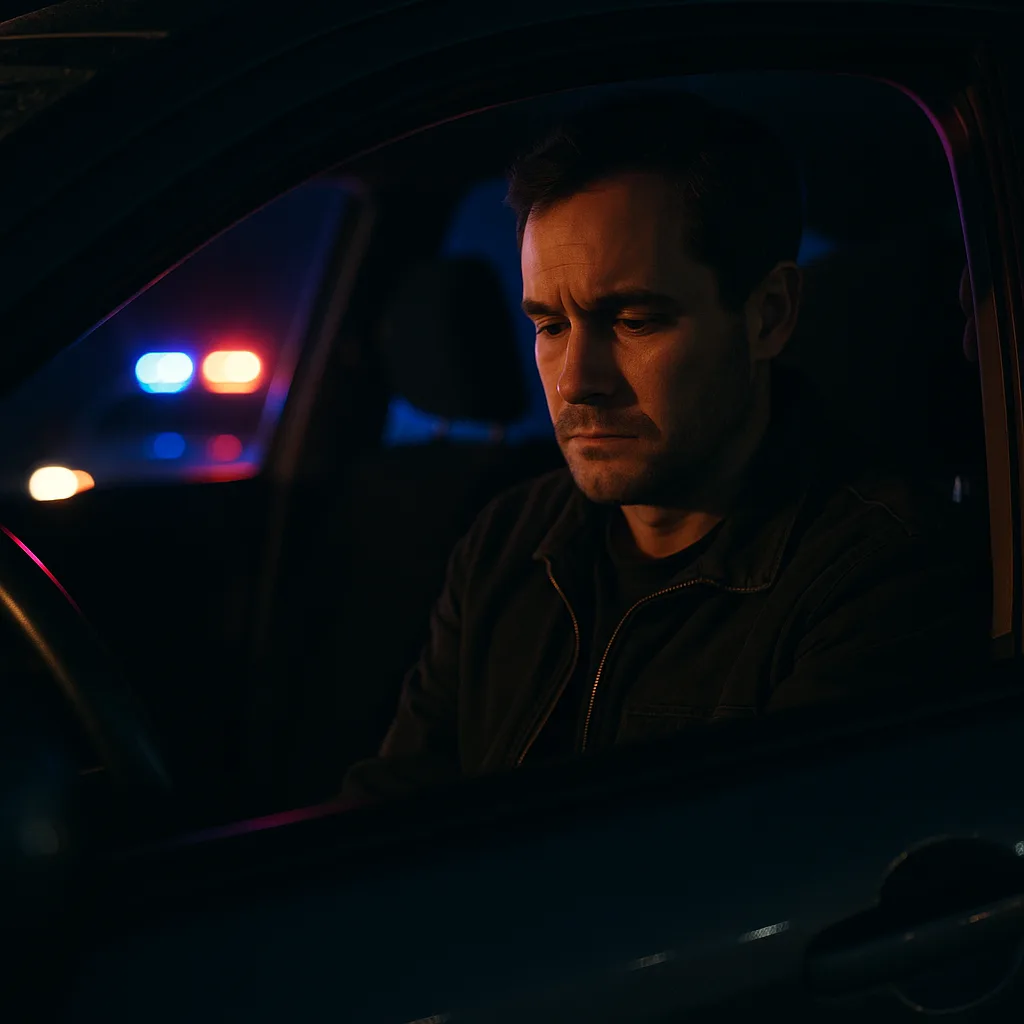
Mileage is the primary input for low-mileage households. The app logs every trip and totals annual miles driven. Carriers set discount tiers by mileage bands—households under 5,000 miles earn the deepest discount, those between 5,000 and 10,000 earn a mid-tier discount, and drivers over 10,000 miles earn little or no mileage-based savings. Hard braking events flag aggressive stopping, which correlates with rear-end collisions. Rapid acceleration signals aggressive driving. Time-of-day scoring penalizes late-night and early-morning trips, when claim frequency rises due to fatigue and impaired drivers on the road.
Phone handling while driving—detected through motion sensors and screen activity—triggers the highest penalty in programs that track it. Some carriers exclude phone data entirely; others make it the dominant factor in the final score. A household with multiple vehicles sees per-vehicle scoring: one car driven carefully during daylight hours earns the full discount, while another driven late at night with frequent hard braking earns nothing. The policy-level premium reflects the blended result across all enrolled vehicles.
Related Articles




Multi-Vehicle Telematics Enrollment
Enrolling multiple vehicles in the same telematics program does not guarantee uniform discounts. Each vehicle earns its own score based on how it's driven. A household with three cars might see the primary vehicle—driven by a cautious remote worker during daylight hours—earn a 20% discount, while a second car driven by a teen with frequent hard braking earns zero, and a third car driven sparingly earns a mid-tier discount based solely on low mileage.
Carriers calculate the policy premium by applying each vehicle's earned discount to that vehicle's portion of the total premium. The result: your renewal statement shows a blended savings figure that averages across all enrolled vehicles. This structure creates confusion when one vehicle's poor score appears to drag down the household's overall savings. It's not raising anyone's rate—it's simply failing to lower the rate for that specific vehicle.
Some carriers allow you to unenroll a single vehicle mid-term if its score consistently underperforms. Others require you to keep all vehicles enrolled for the full policy term or lose the discount on every vehicle. Read the program terms before enrolling multiple cars—the all-or-nothing structure can trap you into tracking a vehicle that will never qualify for savings.
National Telematics Program Availability
21 carriers
Most major carriers offer usage-based insurance programs, but program structures vary widely. Some reward mileage alone; others weight driving behavior more heavily than miles driven. Compare program terms before enrolling.
When Poor Scores Actually Cost You
The scenario where telematics scores raise your premium: you enrolled expecting savings, your scores came back poor, and you're now paying the same rate you paid before enrollment while a competitor offers a lower quote to drivers who never enrolled in telematics at all. You're not paying more than your original quote, but you're paying more than you could pay elsewhere. The opportunity cost is real.
A second failure mode: your household drives very few miles, but one vehicle's aggressive driving patterns zero out its discount. That vehicle now costs the same as it would have without telematics, but you've surrendered the privacy of your driving data for no financial benefit. Unenrolling mid-term may trigger a penalty or disqualify you from re-enrollment later. The structural trap: once you're in, poor scores lock you into a program that offers no upside.
Compare Telematics and Non-Telematics Quotes
Before enrolling multiple vehicles in a telematics program, request quotes both with and without the program from at least three carriers. Some insurers offer standalone low-mileage discounts that require only an annual odometer photo rather than continuous tracking. Others provide flat multi-vehicle discounts that don't vary by driving behavior. A household with inconsistent driving patterns across vehicles often pays less with a traditional multi-car policy than with a telematics program where only one vehicle qualifies for meaningful savings.
If you're already enrolled and your scores are poor, request a quote for the same coverage without telematics. The difference between your current premium and the non-telematics quote tells you whether the program is costing you money or simply failing to save you money. That distinction determines whether you unenroll now or wait until renewal to switch carriers. Run the comparison across your full household—the vehicle-by-vehicle breakdown matters more than the policy-level average when telematics is involved.