
Why Low Mileage Alone Does Not Guarantee a Snapshot Discount
You drive 6,000 miles a year, mostly short trips around town, and Progressive told you Snapshot would save you money because you drive so little. Six months later your discount is smaller than you expected, or nonexistent, and you cannot figure out why mileage did not matter as much as the agent implied.
Snapshot measures trip behavior—hard braking events, speeds over 80 mph, time of day, and trip duration—alongside total mileage. The program weights behavior events more heavily than annual miles driven. A household that drives 12,000 smooth highway miles can score better than a household driving 6,000 choppy city miles with frequent stops and starts.
Compare car insurance rates in your state
Get quotes from licensed carriers — no obligation, no spam, results in minutes.
Get Your Free QuoteNational Telematics Carriers
21 carriers
Progressive is one of 21 major carriers offering telematics or usage-based insurance programs nationwide. Each weights mileage, behavior, and time-of-day differently in its discount calculation.
NAIC carrier roster, 2026
What Snapshot Actually Measures During the Monitoring Period
Snapshot collects data for six months via the mobile app or plug-in device. The program tracks four categories: hard braking events (deceleration above a threshold Progressive does not publish), speeds exceeding 80 mph, time of day for each trip (late-night driving between midnight and 4 a.m. scores worse), and total miles driven. Each category contributes to your final discount percentage, which Progressive applies at the end of the monitoring period.
The program does not penalize you for driving—it penalizes you for how you drive. A 15-mile highway commute at steady speed scores better than three 2-mile city trips with five hard stops each. Low-mileage households that make frequent short trips in dense traffic often trigger more braking events per mile than moderate-mileage households on rural or highway routes.
Progressive does not publish the weight assigned to each category. Anecdotal reports from policyholders suggest hard braking and late-night driving carry more weight than total mileage, but Progressive has never confirmed the formula publicly.
Short stop-and-go trips in city traffic generate more braking events per mile than long smooth highway drives, even when total annual mileage is low.
How Multi-Vehicle Households Enroll in Snapshot

Each driver downloads the Snapshot app or receives a plug-in device for their assigned vehicle. Progressive tracks each vehicle independently during the six-month period. At the end of monitoring, the program calculates a discount for each vehicle based on that vehicle's data. The policy-level discount is the weighted average of all enrolled vehicles' individual discounts.
If one vehicle in a three-car household opts out of Snapshot, that vehicle receives no discount and pulls the household average down. A household with two high-scoring vehicles and one opt-out will see a smaller combined discount than a household where all three vehicles enroll and score well. Progressive does not allow partial enrollment to preserve the full discount—every car must participate to maximize savings.
Related Articles




Why Low-Mileage City Drivers Often Score Worse Than Expected
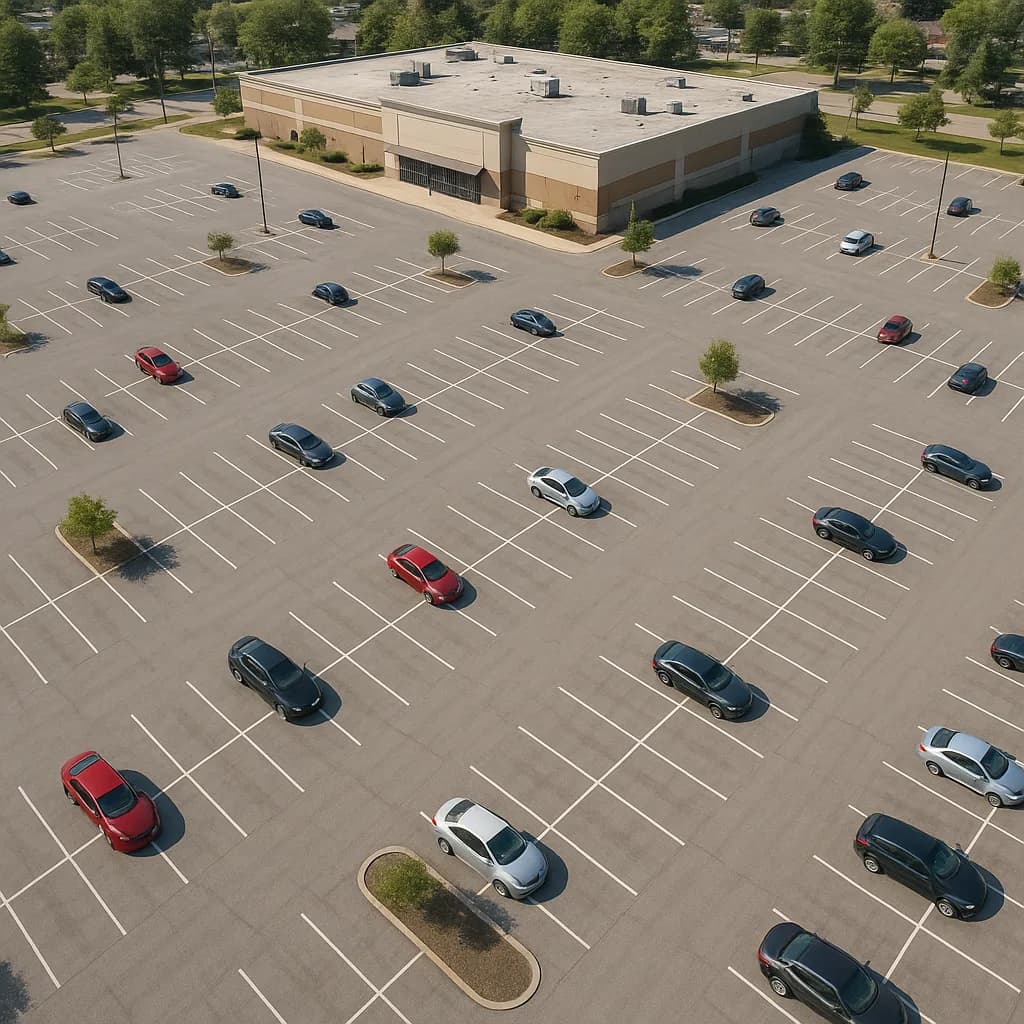
City driving produces more braking events per mile than highway driving. A low-mileage household making grocery runs, school pickups, and errands within a 5-mile radius will rack up dozens of hard stops per week. Progressive's threshold for what counts as hard braking is not published, but policyholders report that normal city stops—slowing for yellow lights, stopping behind buses, braking for pedestrians—frequently register as events.
A moderate-mileage household commuting 25 miles each way on a highway with minimal stops may drive 12,000 miles annually but trigger fewer braking events than a low-mileage household driving 6,000 miles in stop-and-go traffic. Snapshot does not distinguish between necessary braking and aggressive braking. The program counts events, not intent.
Late-night trips also hurt scores disproportionately. A household that makes one 3 a.m. airport run per month will see that trip weighted more heavily than ten daytime trips of the same distance. Low-mileage households that assume their infrequent driving will offset occasional late-night trips often find the opposite is true.
Snapshot Monitoring Period
6 months
Progressive collects trip data for six months before calculating your discount. The discount applies at your next renewal after the monitoring period ends, not immediately.
Progressive Snapshot program terms
What Happens After the Six-Month Monitoring Period Ends
Progressive calculates your discount at the end of six months and applies it at your next policy renewal. The discount percentage is locked for that term. You do not need to continue using the app or device after the monitoring period, but Progressive may offer you the option to re-enroll in future terms to refresh your discount based on updated driving data.
If your discount is lower than expected, you can decline to renew with Progressive and shop other carriers. Snapshot data does not transfer to other insurers, and declining the discount does not penalize you with Progressive—you simply revert to your pre-Snapshot rate. Some households find that a competitor's standard low-mileage discount or pay-per-mile program delivers better savings than Snapshot's behavior-weighted model.
Compare Snapshot Against Other Low-Mileage Programs
Progressive is one of several carriers offering usage-based or low-mileage programs, but each carrier weights factors differently. Some programs reward total mileage more heavily than trip behavior. Others charge per mile with no behavior monitoring. A low-mileage household with frequent short city trips may score better under a pure mileage-based program than under Snapshot's behavior-weighted model.
Compare quotes from carriers offering mileage-based discounts alongside Snapshot. State Farm, Nationwide, and Allstate offer telematics programs with different weighting formulas. Metromile and Mile Auto offer pay-per-mile policies where behavior does not affect your rate. Run quotes for your household's actual vehicle count and annual mileage to see which model delivers the lowest premium for your driving pattern.