Multi-Car Insurance — Washington

A Washington multi-car policy covers two or more vehicles on one policy, with each vehicle carrying at least the state's 25/50/10 liability minimum. Combining vehicles on one policy earns the multi-car discount, and each vehicle can carry its own coverage level—liability only or liability plus collision and comprehensive.

Compare Washington Auto Insurance

Non-Standard Auto · SR-22 · Senior · Teen Drivers

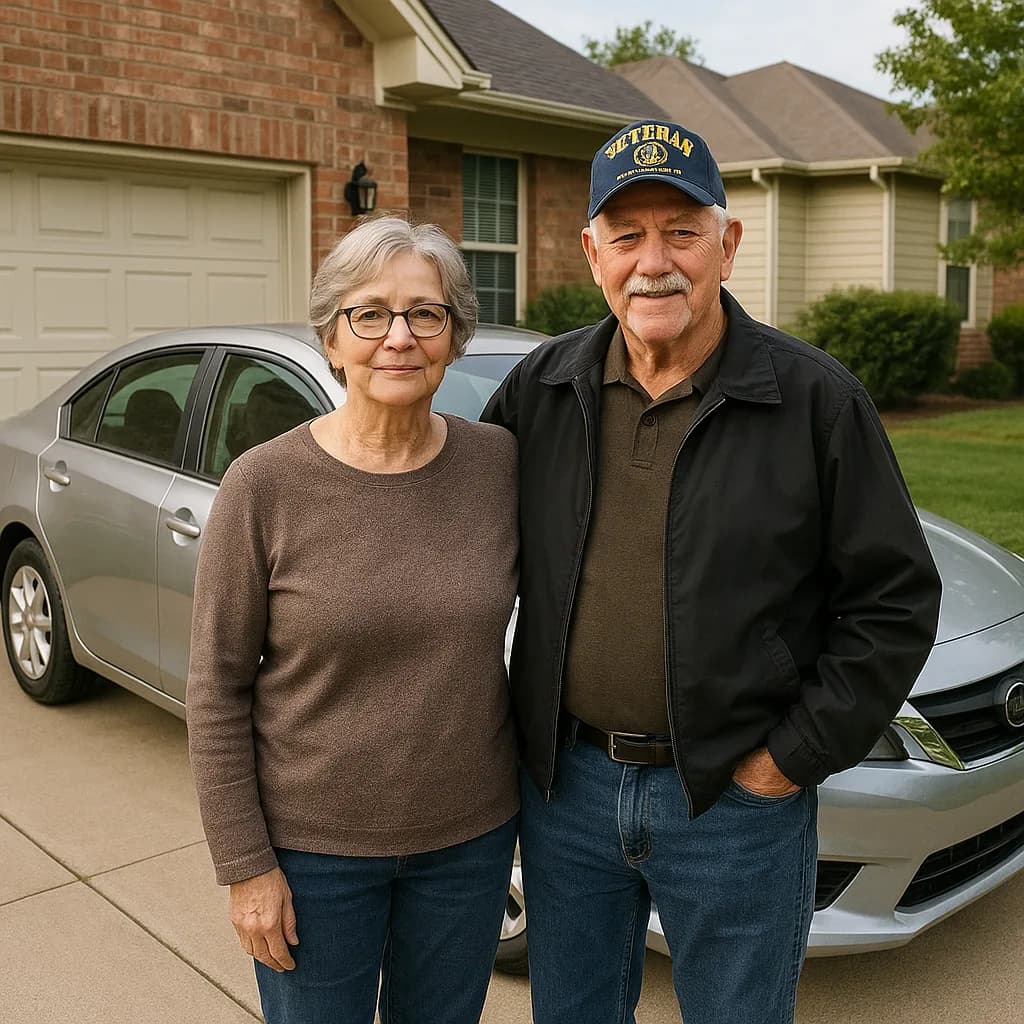
Senior couple standing in front of their home and car in residential driveway
Quotes from state-licensed insurance professionals
Licensed Agents Only
Free to request, no commitment required
No Obligation
No cost to you
Free to Use
Your contact information is protected
TCPA-Compliant
Updated July 2026

Multi-Car Liability Requirements in Washington

Washington requires every vehicle on a multi-car policy to carry at least $25,000 bodily injury per person, $50,000 bodily injury per accident, and $10,000 property damage. Washington is a fault state, so the at-fault driver's liability coverage pays for the other party's injuries and damage. The multi-car discount applies when two or more vehicles share one policy, typically requiring the same garaging address and policy effective date.

Washington cityscape and street view
25/50 minimum per vehicle
Bodily Injury Liability
Every vehicle on your Washington multi-car policy must carry at least $25,000 per person and $50,000 per accident for bodily injury liability. This coverage pays for injuries you cause to others in an at-fault accident. Each vehicle on the policy carries its own liability limit—you can insure one car at the state minimum and another at 100/300 if your asset exposure differs by vehicle.
$10,000 minimum per vehicle
Property Damage Liability
Washington requires $10,000 property damage liability per vehicle on your multi-car policy. This pays for damage you cause to another person's car or property in an at-fault accident. The multi-car discount applies to the entire policy premium, not per vehicle, so adding a third or fourth car re-rates the whole policy rather than adding a flat amount.
Same policy required
Multi-Car Discount Structure
The multi-car discount in Washington requires every vehicle to sit on the same policy and typically the same garaging address. Among carriers writing here—Geico, Progressive, State Farm, Allstate, USAA, Farmers, and others—the discount applies when you add a second vehicle to an existing policy or combine two separate policies into one. Adding a vehicle mid-term triggers a re-rate of the entire policy, not a simple add-on charge.
Not required, but recommended
Uninsured Motorist Coverage
Washington does not require uninsured motorist coverage, but 19.1% of Washington drivers are uninsured as of 2023. On a multi-car policy, uninsured motorist coverage protects every vehicle and every driver listed on the policy. You can add UM coverage at the same limit as your liability or higher, and it applies across all vehicles on the policy.
Lender-required collision and comprehensive
Full Coverage for Financed Vehicles
If any vehicle on your Washington multi-car policy is financed or leased, the lender requires collision and comprehensive coverage on that specific vehicle. Other vehicles on the same policy that you own outright can carry liability only.
State-Mandated Minimum Coverage · Washington

Washington Minimum Coverage

CoverageMinimum
Bodily Injury (per person)$25,000
Bodily Injury (per accident)$50,000
Property Damage$10,000

License Reinstatement Fee$75

Meeting the state minimum keeps you legal. See whether it's enough — get your Washington quote.

Get your Washington quote

What Shapes Multi-Car Costs in Washington

Multi-car policy cost in Washington depends on the vehicles you insure, the drivers listed on the policy, the coverage level you select for each vehicle, and the multi-car discount. Adding a second vehicle to an existing policy re-rates the entire policy rather than adding a flat amount, so the discount applies to the combined premium. Carriers writing in Washington—including Geico, Progressive, State Farm, Allstate, USAA, and Farmers—structure the multi-car discount differently, so comparing carriers matters.

What Affects Your Rate

  • Washington's 25/50/10 liability minimum is the floor each vehicle on a multi-car policy must carry, but higher limits—50/100/50 or 100/300/100—reduce out-of-pocket exposure in at-fault accidents and are common for households with multiple vehicles and higher asset exposure.
  • The multi-car discount in Washington requires every vehicle on the same policy and typically the same garaging address; carriers verify address and household composition, so titling a vehicle to a household member at a different address can disqualify the discount.
  • Washington's 19.1% uninsured motorist rate means nearly one in five drivers carries no insurance; uninsured motorist coverage on a multi-car policy protects every vehicle and every driver listed on the policy.
  • Each vehicle on a multi-car policy can carry its own deductible for collision and comprehensive, so you can choose a lower deductible for a newer car and a higher deductible for an older one to balance premium and out-of-pocket risk.
  • Washington's 437.8 motor vehicle thefts per 100,000 population in 2024 affect comprehensive premiums; carriers price theft risk by ZIP code, so garaging multiple vehicles in a high-theft area raises the combined premium even with the multi-car discount.
  • Adding a vehicle mid-term re-rates the entire policy rather than adding a flat amount, so the multi-car discount recalculates based on the new vehicle count and the combined risk profile.
Two Vehicles, One Policy
25/50/10 floor
The simplest multi-car structure: two vehicles on one policy, both carrying at least Washington's 25/50/10 liability minimum. The multi-car discount applies to the combined premium, and each vehicle can carry its own coverage level—liability only or liability plus collision and comprehensive.
Adding a Vehicle Mid-Term
Policy re-rate
When you add a third or fourth vehicle to an existing Washington multi-car policy, the carrier re-rates the entire policy rather than adding a flat amount. The multi-car discount increases with the vehicle count, but so does the combined risk exposure, so the net change depends on the new vehicle's profile and the coverage you select for it.
Combining Two Households
Same address
When two households combine—marriage, moving in together—you can merge two separate policies into one multi-car policy and earn the multi-car discount. The discount applies when all vehicles share the same garaging address and all drivers are listed on one policy, but the combined driving records and vehicle profiles shape the final premium.

Compare car insurance rates in your state

Get quotes from licensed carriers — no obligation, no spam, results in minutes.

Get Your Free Quote
No Obligation Required Licensed Carriers Only Available Nationwide Free to Compare

Coverage Types

Multi-Car Policy Structure

A multi-car policy puts two or more owned vehicles on a single policy, with each vehicle carrying its own coverage level—liability only or liability plus collision and comprehensive—while the whole policy earns the multi-car discount.

Liability Coverage Per Vehicle

Every vehicle on a Washington multi-car policy must carry at least the state's 25/50/10 liability minimum, but each vehicle can carry its own higher limit—50/100/50 or 100/300/100—based on asset exposure and risk tolerance.

Uninsured Motorist Coverage

Uninsured motorist coverage protects you when an at-fault driver has no insurance or insufficient coverage. On a multi-car policy, UM coverage applies to every vehicle and every driver listed on the policy.

Full Coverage for Financed Vehicles

Full coverage combines liability, collision, and comprehensive. On a multi-car policy, you can carry full coverage on financed vehicles and liability only on vehicles you own outright, with each vehicle having its own deductible.

Adding a Vehicle Mid-Term

Adding a vehicle to an existing Washington multi-car policy triggers a re-rate of the entire policy rather than a flat add-on charge. The multi-car discount recalculates based on the new vehicle count and the combined risk profile.

Combining Two Households

When two households combine—marriage, moving in together—you can merge two separate policies into one multi-car policy and earn the multi-car discount. The discount requires the same garaging address and all drivers listed on one policy.
Find Your City in Washington

Seattle, Washington cityscape and street view

Seattle

urban
Spokane, Washington cityscape and street view

Spokane

urban
Tacoma, Washington cityscape and street view

Tacoma

urban
Vancouver, Washington cityscape and street view

Vancouver

suburban
Bellevue, Washington cityscape and street view

Bellevue

suburban
Kent, Washington cityscape and street view

Kent

suburban
Marina with sailboats and motor boats docked under cloudy sky, calm water reflecting the vessels

Everett

urban
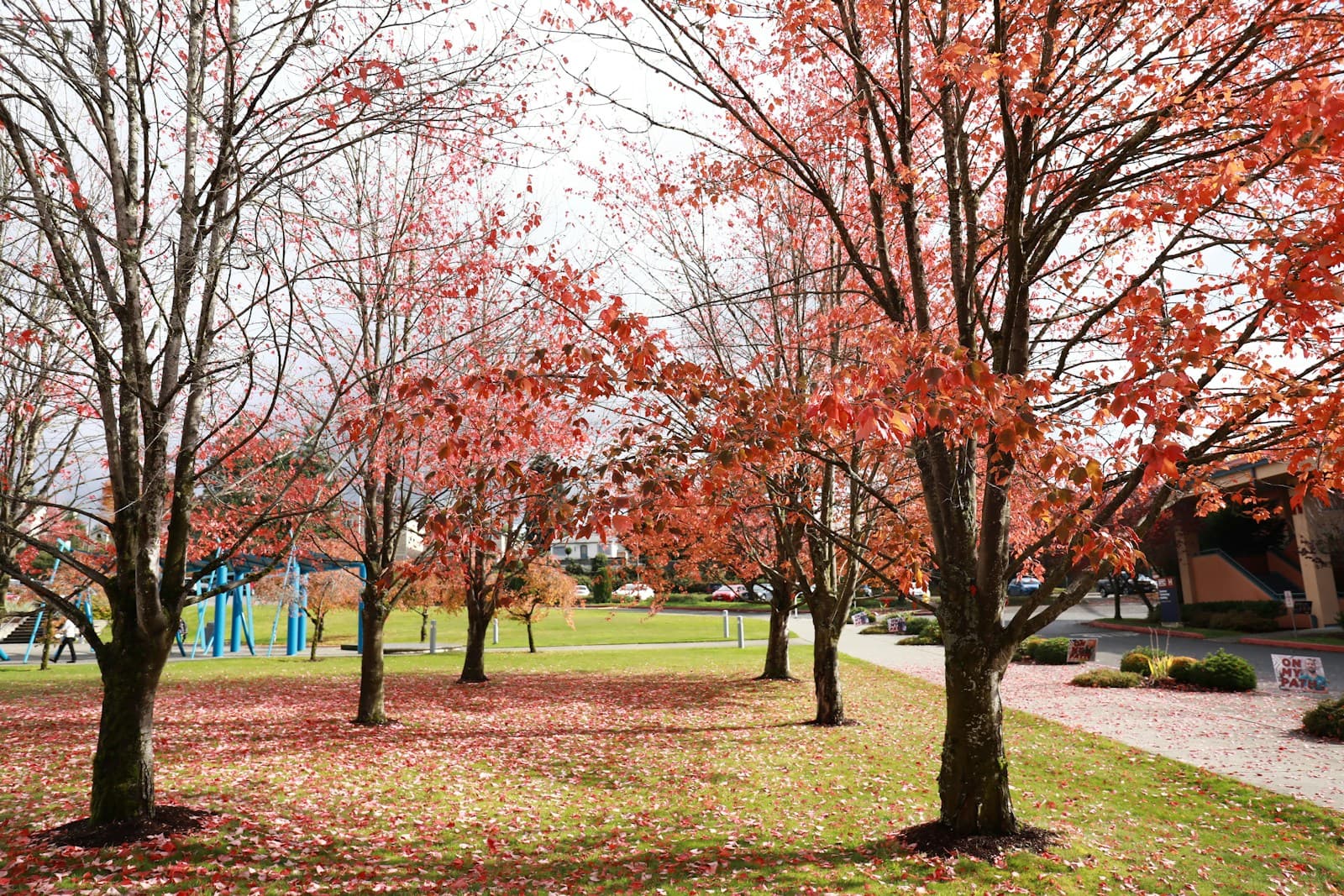
Autumn park with red maple trees, fallen leaves on grass, playground and houses in background

Renton

suburban
US Capitol building at sunset with golden lighting on white stone facade and dome against blue sky

Federal Way

suburban
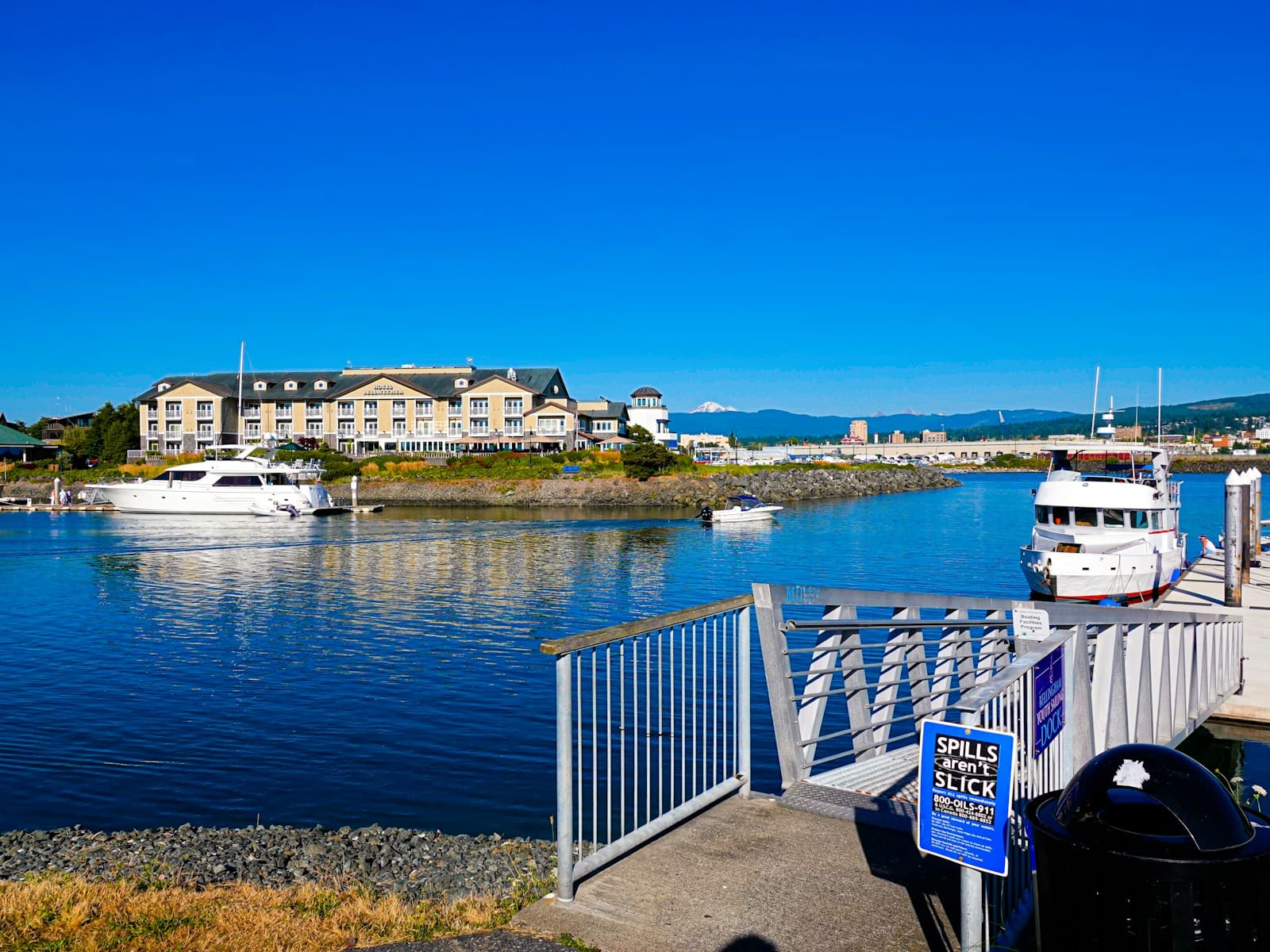
Harbor view with boats, waterfront buildings, and mountains under blue sky taken from pier with railing

Bellingham

urban
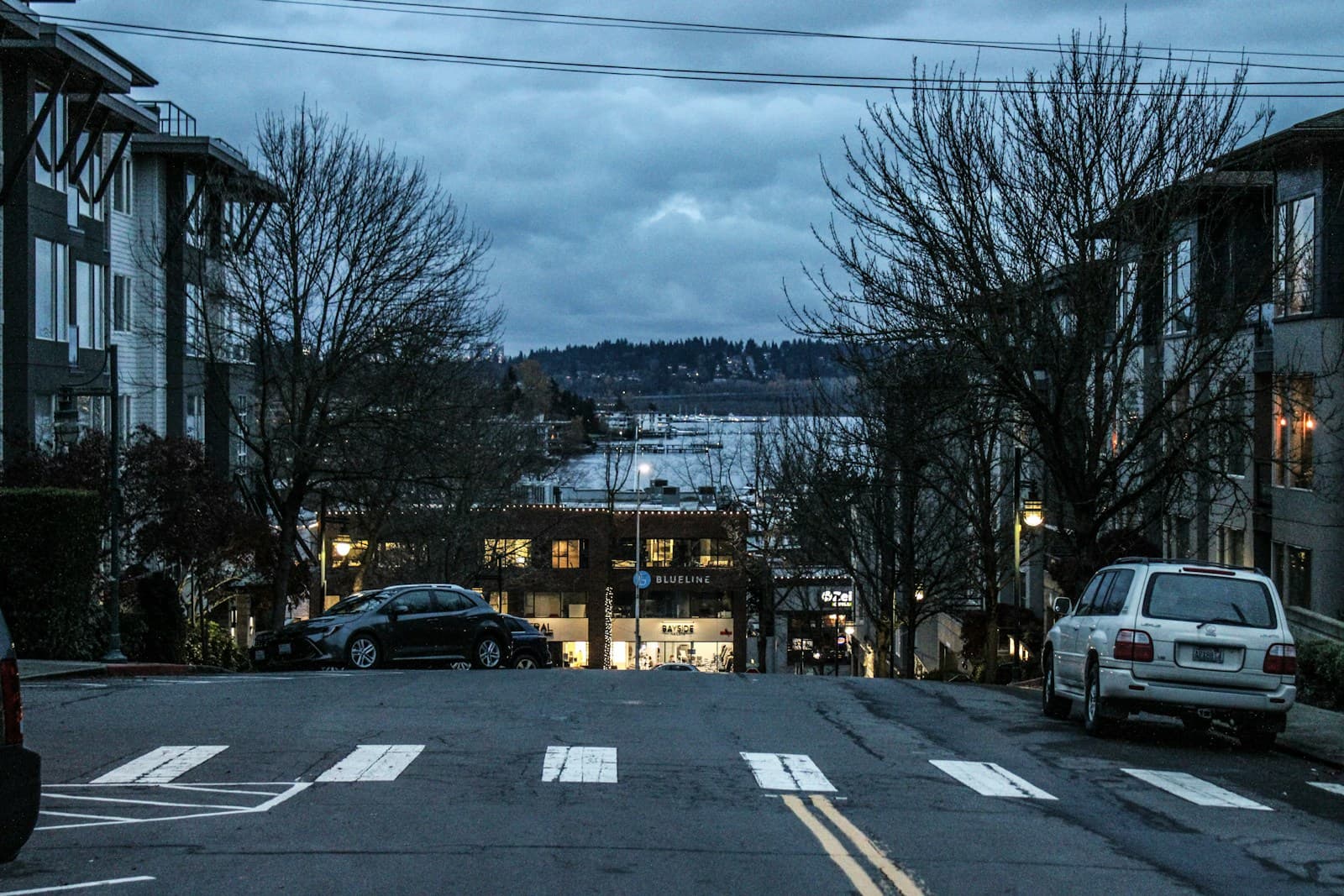
Twilight view of residential street with apartment buildings, bare trees, and harbor visible in distance

Kirkland

suburban
Aerial view of basketball court and school building with fenced recreational area and green lawn

Redmond

suburban

Frequently Asked Questions

Get Your Free Quote in Washington